Gary bought a new lawnmower last night. When he told me what he spent, I was aghast. But he chose it, and that's the way it is.
I used it today to finish the second half of the lawn that I began mowing yesterday. It is beautiful. It is awesome. I love this machine. A couple of times while I was out there mowing, a few tears of joy leaked down onto my cheeks. I am absolutely elated over this lawnmower. This is so worth the price-tag.
I didn't realize until this afternoon how horribly bumpy our yard is. Yes, I've known it's not smooth. But the chipmunks and the sandhill cranes have done quite a number on it this year, and it's wretched. Pushing a mower up and down the hills in our yard --especially over all the divots and hidey-holes-- takes a huge amount of effort. This new mower has rear-wheel drive that's variable based on how fast you want to walk. It is amazing. I mean, really, it is amazing.
We have been toying with the idea of moving into a condo in an old-folks' community. We have considered moving into the village (where the water is nasty and the neighbors are too close) just to have a smaller yard. We have considered hiring someone to do the mowing for us. After an hour with the new mower, all those [overwhelming and unwelcome] ideas are out the window. Even if this mower is cruddy and doesn't last, so that we would have to buy a new one every year, we are still way ahead financially over moving or hiring a lawn service. And it IS that easy -- the mower pushes itself, and all you have to do is walk along with it. No man-handling it. No trudging up hills. No fighting those blasted holes that the critters made in the yard.
If I can mow the yard in a day by myself and not be completely wasted by it (as opposed to spending ALL my energy for three days every time I mowed), I might have time to do wild and crazy things. I could work on overseeding parts of the yard. I could clean house. I could do more projects at church. I could tackle the mess in the basement. I could [gasp] read a story???!
I love this mower.
Saturday, September 10, 2016
Monday, August 15, 2016
Seal-Coating a Big Driveway
Wear your old glasses.
Those shoes you were going to throw into the trash? Set them aside for seal-coating, and then throw them away after the job. If that's not an option, buy a cheap pair of flipflops or a pair of tennies at a garage sale.
Have a hand scrub (like Mean Green) or a scrub brush in the shower for when you finish the job.
Likewise, make sure Softscrub is on hand because your usual frugal, enviro-friendly cleaners are not going to get the shower clean when you're done.
Don't buy the 8-year blacking. Buy the 4-year. It's got some longevity but seems to dry hard in less time. With the 8-year, the coating was being ripped (still!) three weeks later whenever someone turned their tires. The container said 24-72 hours without vehicle traffic. Even with the 4-year, allow at least a week with no parking on the driveway and no changing directions (such as turn-arounds on the parking pad).
Buy extra pairs of cheap work gloves. Whatever you use for the job will go into the trash afterwards.
When you're blacking, have a bucket of warm soapy water with a couple of rags outside with you. Also have a couple of large dry rags. You shouldn't need any of this. But you know Murphy's Law. If you don't have something for insta-clean-up, you will splash something somewhere that you regret ... and that you can't fix an hour later.
So that I remember for next time:
Patch cracks and holes in June. Fix more holes than you think you need to. In particular, fix the seam between the driveway and the road. Give it a month to cure.
Edge driveway. Remember that it takes only about 5 days for the grass to grow back from where you edged before it begins sneaking back onto the driveway.
Clean and scrub driveway. Rinse well. Let dry.
Temperature requirements make this is a July or August job. Each time you apply blacking, you need two days without rain.
With a driveway the size of mine -- do NOT follow the instructions that say to do the job all at once, starting at the house and working your way down the drive to the street without stopping. The reason they advise this is because it's important that the blacking Not Begin To Dry at all before the squeegee comes back with the next stripe. That's impossible when it's August and there's a section of the asphalt that is 37' wide, especially when you have to stop to open and stir a new bucket.
Next time, the first job will be to do the edges. I will need a smaller squeegee, maybe 8" or 10". I will need a pitcher or a bowl to dip from the big bucket -- partly to control splashing, partly to get into the corner by the house, partly to reduce strain from lifting and pouring from such a large bucket. It would be wise to put paper on the nearby house walls in case of accidents. "Doing the edges" for me means a 12" stripe along all edges of the driveway as well as the corners by the stoop and the walk-through garage door. There should be a good amount of blacking allowed to spill over the edge of the driveway, so as to seal-coat the side of the asphalt. After all, the grass and weeds and crumbling attack from the edge, not from the middle. This needs two days to dry, but it doesn't prevent us from using the driveway.
The next step, if necessary, will be to put down a first coat of blacking on any especially worn areas. This will require on-street parking and another two days without rain.
Next step is to seal-coat the parking pad. That will take two days to dry, but the driveway is available for use.
The rest of the driveway can be done in two halves or all at once. If done in one swoop, have a helper sweep the driveway first, as well as being available to open and stir buckets. If doing the job alone, blacken half the driveway, leaving enough space for the cars to fit in the driveway overnight. Then do the second half after the first half has had two days to dry thoroughly. It's a good idea to use duct tape (as masking tape) to make a straight edge by the garage door and by the street.
My plans that nobody else cares about:
In 2016 I used 7 buckets. One in spots as a first coat. One from the garage to the first stripe in the parking pad. Two more buckets across the drive and parking pad. One to finish the parking pad and head down the driveway. One near the plum tree. One near the road.
Next time I expect to use a bucket to edge, although I probably won't finish the edging. Then two buckets: blacken the parking pad, finish the edging, and if there's anything left in the bucket, do the section immediately in front of the garage door. Three buckets won't be quite enough to do the rest of the driveway. So four buckets will allow for two layers of blacking in some spots.
Also remember to lock up the cats so that we don't increase the number of black paw prints on the floor of the garage and on the deck.
Those shoes you were going to throw into the trash? Set them aside for seal-coating, and then throw them away after the job. If that's not an option, buy a cheap pair of flipflops or a pair of tennies at a garage sale.
Have a hand scrub (like Mean Green) or a scrub brush in the shower for when you finish the job.
Likewise, make sure Softscrub is on hand because your usual frugal, enviro-friendly cleaners are not going to get the shower clean when you're done.
Don't buy the 8-year blacking. Buy the 4-year. It's got some longevity but seems to dry hard in less time. With the 8-year, the coating was being ripped (still!) three weeks later whenever someone turned their tires. The container said 24-72 hours without vehicle traffic. Even with the 4-year, allow at least a week with no parking on the driveway and no changing directions (such as turn-arounds on the parking pad).
Buy extra pairs of cheap work gloves. Whatever you use for the job will go into the trash afterwards.
When you're blacking, have a bucket of warm soapy water with a couple of rags outside with you. Also have a couple of large dry rags. You shouldn't need any of this. But you know Murphy's Law. If you don't have something for insta-clean-up, you will splash something somewhere that you regret ... and that you can't fix an hour later.
So that I remember for next time:
Patch cracks and holes in June. Fix more holes than you think you need to. In particular, fix the seam between the driveway and the road. Give it a month to cure.
Edge driveway. Remember that it takes only about 5 days for the grass to grow back from where you edged before it begins sneaking back onto the driveway.
Clean and scrub driveway. Rinse well. Let dry.
Temperature requirements make this is a July or August job. Each time you apply blacking, you need two days without rain.
With a driveway the size of mine -- do NOT follow the instructions that say to do the job all at once, starting at the house and working your way down the drive to the street without stopping. The reason they advise this is because it's important that the blacking Not Begin To Dry at all before the squeegee comes back with the next stripe. That's impossible when it's August and there's a section of the asphalt that is 37' wide, especially when you have to stop to open and stir a new bucket.
Next time, the first job will be to do the edges. I will need a smaller squeegee, maybe 8" or 10". I will need a pitcher or a bowl to dip from the big bucket -- partly to control splashing, partly to get into the corner by the house, partly to reduce strain from lifting and pouring from such a large bucket. It would be wise to put paper on the nearby house walls in case of accidents. "Doing the edges" for me means a 12" stripe along all edges of the driveway as well as the corners by the stoop and the walk-through garage door. There should be a good amount of blacking allowed to spill over the edge of the driveway, so as to seal-coat the side of the asphalt. After all, the grass and weeds and crumbling attack from the edge, not from the middle. This needs two days to dry, but it doesn't prevent us from using the driveway.
The next step, if necessary, will be to put down a first coat of blacking on any especially worn areas. This will require on-street parking and another two days without rain.
Next step is to seal-coat the parking pad. That will take two days to dry, but the driveway is available for use.
The rest of the driveway can be done in two halves or all at once. If done in one swoop, have a helper sweep the driveway first, as well as being available to open and stir buckets. If doing the job alone, blacken half the driveway, leaving enough space for the cars to fit in the driveway overnight. Then do the second half after the first half has had two days to dry thoroughly. It's a good idea to use duct tape (as masking tape) to make a straight edge by the garage door and by the street.
My plans that nobody else cares about:
In 2016 I used 7 buckets. One in spots as a first coat. One from the garage to the first stripe in the parking pad. Two more buckets across the drive and parking pad. One to finish the parking pad and head down the driveway. One near the plum tree. One near the road.
Next time I expect to use a bucket to edge, although I probably won't finish the edging. Then two buckets: blacken the parking pad, finish the edging, and if there's anything left in the bucket, do the section immediately in front of the garage door. Three buckets won't be quite enough to do the rest of the driveway. So four buckets will allow for two layers of blacking in some spots.
Also remember to lock up the cats so that we don't increase the number of black paw prints on the floor of the garage and on the deck.
Wednesday, August 10, 2016
Living on One Income
Some young folks think it's unfair that families need two incomes to get by today. They point to the 50s and 60s and wonder why it worked for Dad to earn an income and Mom to stay home with the kids.
Government intervention (health care, college, welfare, housing market, Cash for Clunkers, etc) has certainly driven up costs. But there's also been a change in the standard of living.
What was different 50-60 years ago that costs so much more now?
We have more toys now. Then you could not watch a movie at home. Then there were three TV stations (or fewer, depending on where you lived), and no way to record what you missed. If your family had a television, there was only one. No computers in the home. No cell phones. No answering machines. No video games. People had one coat and one dress-up outfit. Only one or two pair of shoes. Big events -- such as concerts or plays or major-league ballgames -- were available, but you'd attend only one every year or so.
Safety and health. No car seats or bicycle helmets or airbags or anti-lock brakes. No baby monitors. No lawsuits if you were injured. Few people had gym memberships. Cancer was feared because it not only meant death, but a painful death. Nursing homes were drab and miserable. People seemed old at 40 or 50 because they didn't have the therapists and the medications and supplements and the treatments that we have today that keep us well.
Creature comforts. Furnaces did not work so well. Windows were cheaper, but let in drafts. No air conditioning. If your family had a car, there was only one for the whole family to share. Houses were smaller, but more people (including multiple generations) lived in the house. Less traveling (and not by air). Long-distance calls were expensive, so you didn't often talk to people outside your local area. Smaller fridge. No microwave. No disposable diapers. Tools required muscle -- no weed-whackers, no power drills, no sanders, no leaf-blowers.
Most stores were closed on Sundays and in the evenings, which helped keep costs down for the store owners. It also made for less "recreational shopping."
College has become more expensive, but is considered "necessary" for jobs that really should be available to people who don't even have a high-school diploma.
Fifty years ago, a young person could move out on his own without a car and without a TV. Today the world has changed. Even for people who live more simply than most, there are still government requirements (such as health insurance and children's car seats) that dig into a family's pocketbook. Plus if frugal folks want to function in society, there is a need for phones, internet access, car(s), computer, and more.
So why is it so stinkin' hard for families to live on one income now? Partly because the government has "helped" us. And partly because we* expect to have so much more.
*And by "we" I mean we as a society. Even
if a particular person or family has different
values, the societal greed has an impact on all
of us.
Government intervention (health care, college, welfare, housing market, Cash for Clunkers, etc) has certainly driven up costs. But there's also been a change in the standard of living.
What was different 50-60 years ago that costs so much more now?
We have more toys now. Then you could not watch a movie at home. Then there were three TV stations (or fewer, depending on where you lived), and no way to record what you missed. If your family had a television, there was only one. No computers in the home. No cell phones. No answering machines. No video games. People had one coat and one dress-up outfit. Only one or two pair of shoes. Big events -- such as concerts or plays or major-league ballgames -- were available, but you'd attend only one every year or so.
Safety and health. No car seats or bicycle helmets or airbags or anti-lock brakes. No baby monitors. No lawsuits if you were injured. Few people had gym memberships. Cancer was feared because it not only meant death, but a painful death. Nursing homes were drab and miserable. People seemed old at 40 or 50 because they didn't have the therapists and the medications and supplements and the treatments that we have today that keep us well.
Creature comforts. Furnaces did not work so well. Windows were cheaper, but let in drafts. No air conditioning. If your family had a car, there was only one for the whole family to share. Houses were smaller, but more people (including multiple generations) lived in the house. Less traveling (and not by air). Long-distance calls were expensive, so you didn't often talk to people outside your local area. Smaller fridge. No microwave. No disposable diapers. Tools required muscle -- no weed-whackers, no power drills, no sanders, no leaf-blowers.
Most stores were closed on Sundays and in the evenings, which helped keep costs down for the store owners. It also made for less "recreational shopping."
College has become more expensive, but is considered "necessary" for jobs that really should be available to people who don't even have a high-school diploma.
Fifty years ago, a young person could move out on his own without a car and without a TV. Today the world has changed. Even for people who live more simply than most, there are still government requirements (such as health insurance and children's car seats) that dig into a family's pocketbook. Plus if frugal folks want to function in society, there is a need for phones, internet access, car(s), computer, and more.
So why is it so stinkin' hard for families to live on one income now? Partly because the government has "helped" us. And partly because we* expect to have so much more.
*And by "we" I mean we as a society. Even
if a particular person or family has different
values, the societal greed has an impact on all
of us.
Sunday, July 24, 2016
Eye Contact
Some people listen better with their eyes closed, shutting out visual distractions to focus on what they hear. Some people are uncomfortable making eye contact because it feels too much like an invasion of their personal space. Some people who do make eye contact feel compelled to break the eye contact while they're doing some momentary evaluation of what the speaker just said. None of this is news-worthy, right?
Not long ago I had the opportunity to do some substitute teaching. Small class size -- not at all like speaking to 200 people at a homeschool convention. Much more intimate. I couldn't believe how important it was to me for the students to be looking at me. When they weren't looking at me, I wondered if they were bored. I wondered if they'd gotten lost because I'd explained poorly or used a word they didn't know. I wondered if maybe they were distracted in a good way, like making connections between what I said and something they had read earlier in the day. I wondered if maybe I did still have their full mental attention, even as their eyes gazed unseeingly out the window.
The experience made me think I should take care to make eye contact nearly constantly with whoever's in front of me. But I'm one of those people who can't listen critically and thoughtfully if I'm making eye contact. However, now that I know how much it helps a speaker for her listeners to be watching and not just listening, I should try harder to keep my eyes focused too, at least some of the time.
Not long ago I had the opportunity to do some substitute teaching. Small class size -- not at all like speaking to 200 people at a homeschool convention. Much more intimate. I couldn't believe how important it was to me for the students to be looking at me. When they weren't looking at me, I wondered if they were bored. I wondered if they'd gotten lost because I'd explained poorly or used a word they didn't know. I wondered if maybe they were distracted in a good way, like making connections between what I said and something they had read earlier in the day. I wondered if maybe I did still have their full mental attention, even as their eyes gazed unseeingly out the window.
The experience made me think I should take care to make eye contact nearly constantly with whoever's in front of me. But I'm one of those people who can't listen critically and thoughtfully if I'm making eye contact. However, now that I know how much it helps a speaker for her listeners to be watching and not just listening, I should try harder to keep my eyes focused too, at least some of the time.
Saturday, July 23, 2016
Decision about Voting
I still don't know who I'll be voting for in November. But I have decided one thing: I'm not telling anybody. No matter what choice I make, either
a) I will be ashamed of it, or
b) other people will say that I should be ashamed of it.
I remember my mom telling me not long ago that it's so different now. Everybody talks openly of their political views. She said that, in the 60s, you didn't even tell your husband or your parents or your kids how you were voting. It was private.
So that's my voting decision for this year's presidential election. It's private.
So don't ask.
And don't make ANY assumptions.
a) I will be ashamed of it, or
b) other people will say that I should be ashamed of it.
I remember my mom telling me not long ago that it's so different now. Everybody talks openly of their political views. She said that, in the 60s, you didn't even tell your husband or your parents or your kids how you were voting. It was private.
So that's my voting decision for this year's presidential election. It's private.
So don't ask.
And don't make ANY assumptions.
Friday, July 22, 2016
Never Taken Away
Sermon on Wednesday night was about the story of Mary and Martha (Luke 10). Pastor mentioned that many American Christians are afraid these days. What if our church is taken from us? What if persecution or martyrdom comes to our country as it has come to other nations? What if the Church has to hide? Will we still have God's word in a decade, or even just a few years?
Jesus' promise to Mary and Martha was that Mary had chosen to listen to God's word and "that will not be taken away from her." This is a promise to us too, who cherish God's word and beg that we not lose His word and Spirit. How will the Lord preserve His word and ensure that it is not taken from us? We don't know. But the promise remains true.
Jesus' promise to Mary and Martha was that Mary had chosen to listen to God's word and "that will not be taken away from her." This is a promise to us too, who cherish God's word and beg that we not lose His word and Spirit. How will the Lord preserve His word and ensure that it is not taken from us? We don't know. But the promise remains true.
Tuesday, July 19, 2016
Picking Berries
I approach the berry canes with my empty bowl. A robin flees. "Hey, these are MY berries. Not yours. Stay away, birdie."
Twenty minutes of plucking. Then a squirrel in a nearby tree starts making a racket. Now, I don't speak fluent Squirrel, but I'm confident that the speech the squirrel was giving me was identical to the earlier speech I was giving the robin.
Tough noogies. I planted. I water. I weed. (Well, sometimes I weed.) I nab Japanese beetles to toss to their deaths in my soap-water bucket. Let the squirrel be angry that I'm harvesting the berries before him.
Mmmmm, raspberries on my granola. Mmmmm.
Twenty minutes of plucking. Then a squirrel in a nearby tree starts making a racket. Now, I don't speak fluent Squirrel, but I'm confident that the speech the squirrel was giving me was identical to the earlier speech I was giving the robin.
Tough noogies. I planted. I water. I weed. (Well, sometimes I weed.) I nab Japanese beetles to toss to their deaths in my soap-water bucket. Let the squirrel be angry that I'm harvesting the berries before him.
Mmmmm, raspberries on my granola. Mmmmm.
Monday, June 27, 2016
So Many Changes
This early part of summer has brought loads of changes to our family.
In addition to the some out-of-state trips and some local events that take a lot of work, as well as the usual housework and yardwork:
Daughter-in-law Olivia started working at church as part-time secretary for the summer and prepping for her first teaching job in fall.
Son Andrew began a full-time job at the large teaching hospital in our area. He's on the post-surgery floor. He's far enough along in training that this weekend he began his overnight shifts.
Son Paul and daughter-in-law Mandy had baby Henry arrive. Mandy is currently home with Henry instead of at work.
Son-in-law Matt is finishing his fellowship at the large teaching hospital and is starting a new job in Illinois. He and Rachel and Lizzy are moving there this week.
I finally retired-all-the-way from my job at the bank. I am working on some publishing duties for CCA instead of just my copy-editing.
Maggie is on summer break from her volunteer-job at school, which re-configures our days significantly because I'm not chauffeuring her twice daily.
Gary still has his full-time day-job, but at church he is taking over the position of CCA administrator.
Out of twelve adults, half of us have had job changes this month.
In addition to that, three of our kids have moved out of apartments into houses in the last seven months, and another is looking to move soon.
No wonder I feel like I can't keep up with what's what.
In addition to the some out-of-state trips and some local events that take a lot of work, as well as the usual housework and yardwork:
Daughter-in-law Olivia started working at church as part-time secretary for the summer and prepping for her first teaching job in fall.
Son Andrew began a full-time job at the large teaching hospital in our area. He's on the post-surgery floor. He's far enough along in training that this weekend he began his overnight shifts.
Son Paul and daughter-in-law Mandy had baby Henry arrive. Mandy is currently home with Henry instead of at work.
Son-in-law Matt is finishing his fellowship at the large teaching hospital and is starting a new job in Illinois. He and Rachel and Lizzy are moving there this week.
I finally retired-all-the-way from my job at the bank. I am working on some publishing duties for CCA instead of just my copy-editing.
Maggie is on summer break from her volunteer-job at school, which re-configures our days significantly because I'm not chauffeuring her twice daily.
Gary still has his full-time day-job, but at church he is taking over the position of CCA administrator.
Out of twelve adults, half of us have had job changes this month.
In addition to that, three of our kids have moved out of apartments into houses in the last seven months, and another is looking to move soon.
No wonder I feel like I can't keep up with what's what.
Sunday, June 26, 2016
The Saga of the Gottesdienst Plaque
When the plaque was originally made, there were 15 individual name plates. The last name was added in 2010. It took me a few years to make plans with the Gottes-editor to rearrange the plaque to fit in more names. This spring I took it to the guy who makes trophies and plaques, the same guy who'd been doing a perfectly decent job of updating each year's name-plate.
Start: "Do you need this finished this week?" Oh, no, I answered. Two weeks is fine. If you have other, more urgent jobs, that's okay too. We don't really need it until the beginning of June. "Okay, I'll have it for you in two weeks then."
Two weeks later -- no phone call.
Another two weeks, I called him to find out if I could pick up the plaque. No. It wasn't done. "Another week," he said.
Two weeks later I called. Not done.
A week later I called. Not done.
A week later I called. Not done, but I could fetch it next Monday.
Part 2: I picked it up. Hmmmmmm.
In place of individual names on the original tiny plaques, I had requested five plaques to go on the board, each plaque containing one column of eight names. What I got back was three wide plaques, two columns on each one, with eight names per column.
I had requested that the names be printed in lower-case letters with appropriate capitalization at the start of names. What I got back was all-caps.
I had requested a font-size such that the capital letters be 1/4" tall. What I got back was lettering 13/32" tall. (Even though that's only a tiny amount of space, it's more than 60% taller than I requested.)
I had requested a font-style for the names that would match the rest of the lettering on the plaque. What I got back was a vastly different type-style, as well as the names in bold. It was as different as This is from This.
Oh, and there was a name misspelled.
And one of the plaques was slightly askew.
Part 3: Pastor took the plaque back and requested that it be fixed. He didn't ask for everything to be put right. He just asked for corrections to the misspelling, the font, and the lower-case letters. And we still need it by June 1. It wasn't ready by June 1. It wasn't ready the next week either.
We finally picked it up less than 48 hours before our symposium began. Hmmmmm.
Part 4: The font was smaller -- a nice size. (Hooray!) But now there were eleven names per column. This means the plaques were less than one-third full; it looked very empty. And it means there's currently room for 45 more years of Sabre bearers' names. That's a bit excessive at this point.
The previously misspelled name was corrected. (Hooray!) But a date was changed from 2012 to 1012. And "gallantry" was spelled with an S. And another word was misspelled.
And the font was still in the unmatched style, and still in bold.
When I called the shop owner, he told me I could bring it back and he would fix it for me by the next day. We had plenty to do in preparation for symposium and didn't want to take time to run the extra errands. Besides, based on previous promises of "This is when I'll have it ready," I was skeptical as to whether the repairs would be done. I told him I would bring it back the next week.
He questioned the misspellings. He told me he proofread it three times after I complained about the errors, but he could find no misspellings.
Part 5: When I returned the plaques, I told him I wanted the font for the names to match the font on the rest of the plaque. We weren't going to demand that, but as long as he had to remake the plaque because of the spelling error, we might as well make the font right. "But then it won't be in bold." Right!! I told him we never wanted it in bold. We had asked for the fonts to match. He insisted that no one had asked for that. I did when I first came in. And it was written down in the instructions I gave him. Pastor did. And Pastor saw him jot down a note in response to the oral instructions.
Then he told me, "If I do this the way you want, it's going to be hard to read. It won't be bold anymore. I don't want you looking at it and being unhappy with it, because I am NOT going to change this for you again for free."
Funny, I never thought that
his fixing his own errors
was the same as
his making a new sign for me for free.
Part 6: He did the work right away. It was ready when I arrived to pick it up. The corrections were made. (Hooray!) And the matching, unbolded font looks great. As I left, he wished me a good summer ... because he didn't want to see me back with any more complaints. I suppose that was intended to be good-natured and funny. But it hit my ears as though it were blame, and that he was a pretty good guy for humoring us in our pickiness.
Next year there will be yet another name chosen to bear the Sabre of Boldness. At that point, I will take the plaque to a different engraver. I want to start fresh and remake it according to the original plan in March.
Start: "Do you need this finished this week?" Oh, no, I answered. Two weeks is fine. If you have other, more urgent jobs, that's okay too. We don't really need it until the beginning of June. "Okay, I'll have it for you in two weeks then."
Two weeks later -- no phone call.
Another two weeks, I called him to find out if I could pick up the plaque. No. It wasn't done. "Another week," he said.
Two weeks later I called. Not done.
A week later I called. Not done.
A week later I called. Not done, but I could fetch it next Monday.
Part 2: I picked it up. Hmmmmmm.
In place of individual names on the original tiny plaques, I had requested five plaques to go on the board, each plaque containing one column of eight names. What I got back was three wide plaques, two columns on each one, with eight names per column.
I had requested that the names be printed in lower-case letters with appropriate capitalization at the start of names. What I got back was all-caps.
I had requested a font-size such that the capital letters be 1/4" tall. What I got back was lettering 13/32" tall. (Even though that's only a tiny amount of space, it's more than 60% taller than I requested.)
I had requested a font-style for the names that would match the rest of the lettering on the plaque. What I got back was a vastly different type-style, as well as the names in bold. It was as different as This is from This.
Oh, and there was a name misspelled.
And one of the plaques was slightly askew.
Part 3: Pastor took the plaque back and requested that it be fixed. He didn't ask for everything to be put right. He just asked for corrections to the misspelling, the font, and the lower-case letters. And we still need it by June 1. It wasn't ready by June 1. It wasn't ready the next week either.
We finally picked it up less than 48 hours before our symposium began. Hmmmmm.
Part 4: The font was smaller -- a nice size. (Hooray!) But now there were eleven names per column. This means the plaques were less than one-third full; it looked very empty. And it means there's currently room for 45 more years of Sabre bearers' names. That's a bit excessive at this point.
The previously misspelled name was corrected. (Hooray!) But a date was changed from 2012 to 1012. And "gallantry" was spelled with an S. And another word was misspelled.
And the font was still in the unmatched style, and still in bold.
When I called the shop owner, he told me I could bring it back and he would fix it for me by the next day. We had plenty to do in preparation for symposium and didn't want to take time to run the extra errands. Besides, based on previous promises of "This is when I'll have it ready," I was skeptical as to whether the repairs would be done. I told him I would bring it back the next week.
He questioned the misspellings. He told me he proofread it three times after I complained about the errors, but he could find no misspellings.
Part 5: When I returned the plaques, I told him I wanted the font for the names to match the font on the rest of the plaque. We weren't going to demand that, but as long as he had to remake the plaque because of the spelling error, we might as well make the font right. "But then it won't be in bold." Right!! I told him we never wanted it in bold. We had asked for the fonts to match. He insisted that no one had asked for that. I did when I first came in. And it was written down in the instructions I gave him. Pastor did. And Pastor saw him jot down a note in response to the oral instructions.
Then he told me, "If I do this the way you want, it's going to be hard to read. It won't be bold anymore. I don't want you looking at it and being unhappy with it, because I am NOT going to change this for you again for free."
Funny, I never thought that
his fixing his own errors
was the same as
his making a new sign for me for free.
Part 6: He did the work right away. It was ready when I arrived to pick it up. The corrections were made. (Hooray!) And the matching, unbolded font looks great. As I left, he wished me a good summer ... because he didn't want to see me back with any more complaints. I suppose that was intended to be good-natured and funny. But it hit my ears as though it were blame, and that he was a pretty good guy for humoring us in our pickiness.
Next year there will be yet another name chosen to bear the Sabre of Boldness. At that point, I will take the plaque to a different engraver. I want to start fresh and remake it according to the original plan in March.
Friday, June 24, 2016
That's Not Permanent
I thought shingles were supposed to last about 15-20 years. The guys who install metal "permanent" roofs warrant them for 50 years. That's only two or three times as long as plain old boring shingles. And you have to assume that the company will still be there in 30 or 40 years if you need something fixed.
When I was a kid, people painted their houses every 15-20 years. Yes, we had evil lead in our paint. But it lasted. I've been hearing a company advertise their "coating" for a home that looks like paint but is permanent. They promise it will last 25 years. Twenty-five years doesn't sound very permanent to me.
Why is this short period called "permanent"?
Is it because we have such a mobile society that nobody stays put for 25 years?
Is it because we like to tinker and update and go for a new look?
Is it because the quality of materials and workmanship has degraded so much that upkeep has become a constant battle, and now we think 25 years is relatively permanent?
When I was a kid, people painted their houses every 15-20 years. Yes, we had evil lead in our paint. But it lasted. I've been hearing a company advertise their "coating" for a home that looks like paint but is permanent. They promise it will last 25 years. Twenty-five years doesn't sound very permanent to me.
Why is this short period called "permanent"?
Is it because we have such a mobile society that nobody stays put for 25 years?
Is it because we like to tinker and update and go for a new look?
Is it because the quality of materials and workmanship has degraded so much that upkeep has become a constant battle, and now we think 25 years is relatively permanent?
Thursday, June 23, 2016
Getting Cleansed
Jesus went around getting unclean. He touched lepers when He healed them. He touched dead people when He raised them.
Remember all those rituals in the Old Testament for cleansing and purification? Remember when Jesus told the ten lepers to go show themselves to the priests? But Jesus didn't do that Himself. When He got Himself unclean, He didn't scurry off to the priests and offer the sacrifices to get Himself clean again.
His cleansing was at the cross.
He offered the sacrifices for purification when He sacrificed Himself and shed His blood to remedy all our uncleanness.
Remember all those rituals in the Old Testament for cleansing and purification? Remember when Jesus told the ten lepers to go show themselves to the priests? But Jesus didn't do that Himself. When He got Himself unclean, He didn't scurry off to the priests and offer the sacrifices to get Himself clean again.
His cleansing was at the cross.
He offered the sacrifices for purification when He sacrificed Himself and shed His blood to remedy all our uncleanness.
Sunday, June 19, 2016
Kentucky
 |
| Smiling because he's out of the carseat. |
 |
| Mermaid and her baby. |
 |
| Carcassonne |
 |
| Tim and Gary |
 |
| Zoe, Eric, and Alia |
 |
| Maggie and Olivia |
 |
| Sitting by the lake. |
 |
| Turtle-time. |
 | |
| Andrew and Olivia |
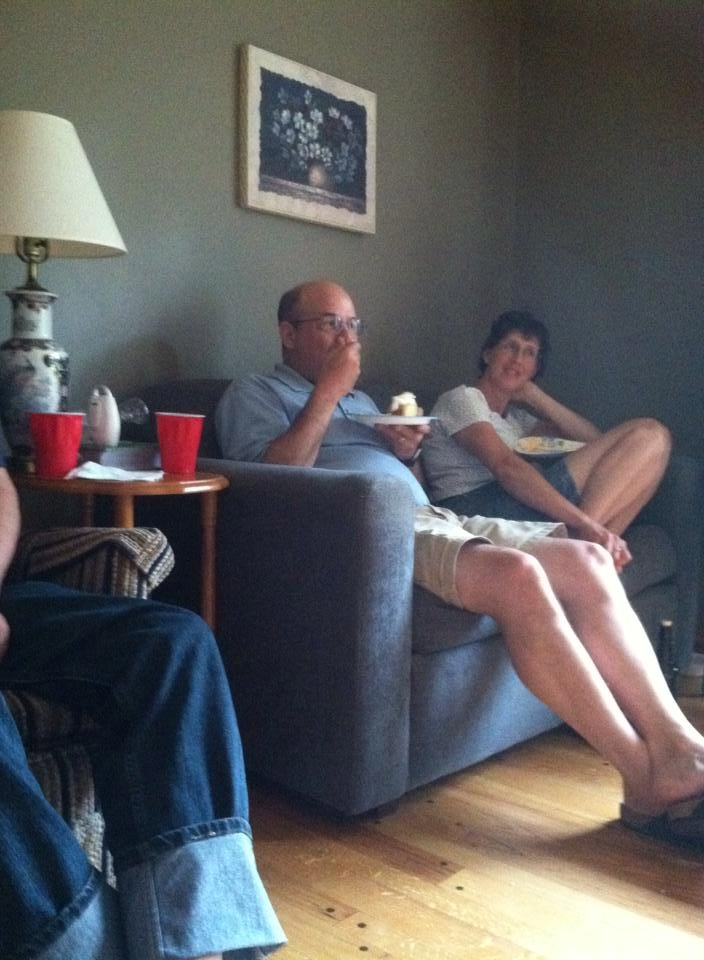 |
| Suppertime when there's not enough table-space. |
 |
| Zoe, Katie, and Matthias |
 | |
| Bubbles! |
 | |
| Most of the kids. In the "office." |
 |
| Matthias, Philip, Zoe. |
 |
| Rocks are fun. |
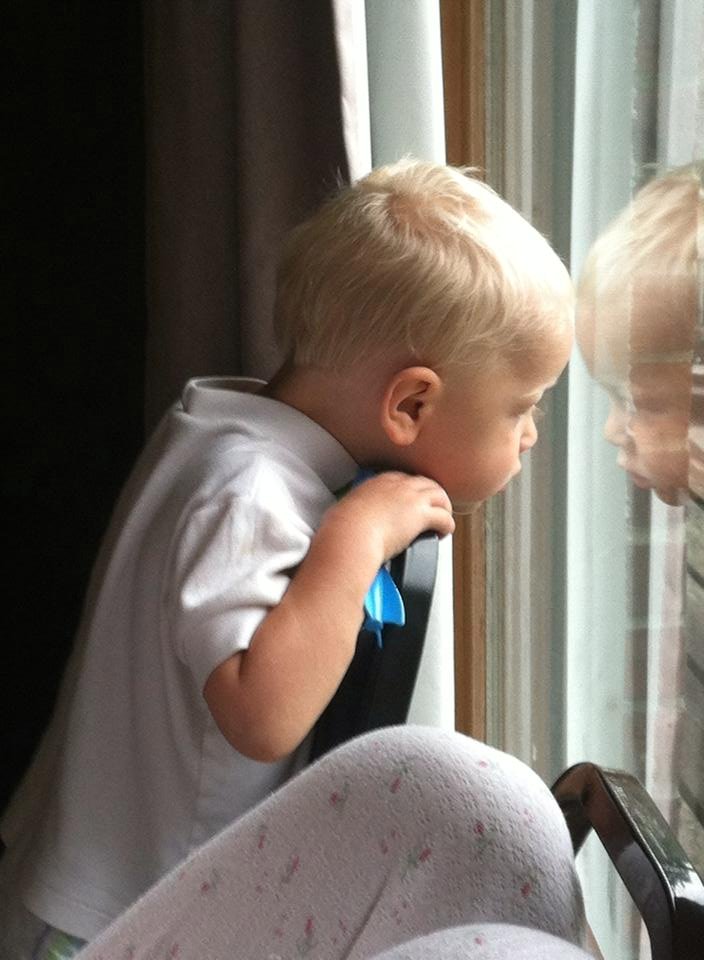 | |
| Watching the hummingbirds and orioles. |
Saturday, June 18, 2016


Rest Day
Today is a day of doing nothing.
Usually I'm not good at that. Today we're all wiped out enough that we're managing loads of Nothing.
Two weeks ago we enjoyed a week-long family reunion. It's a lot of work to go away. But we love seeing the extended family. And the resort we use is simple, relatively inexpensive, and low-key. But it's clean, on a lake, with a pool, and awesome hosts/owners. Weather was perfect.
After re-entry to Real Life and recuperating from our rest [??], we headed off the next weekend to meet baby Henry and rejoice in his baptism-day. Oh, right, it was nice to see my son and daughter-in-law too.
In the days before and after baptism-weekend, I packed up supplies for the CCA symposium and the CCA sales booth. (Oh, man, my muscles aren't what they used to be. I am weak and pokey. But, hey, it was possible to do the work.)
The last few days involved early mornings and late nights and physical labor. And lots of time on my feet. And chances to visit with friends ... though never enough time for all the people I want to see. The topic for symposium was about keeping our children in the faith, and comfort for us when our loved ones stray. It was helpful and encouraging.
But today is nothing. Sudokus. Lightweight movies. Sitting around. I probably should mop and do laundry and start some pickles. Nothing big. Just a little catching up. But if I don't do it, I will still be satisfied. There are three more big events coming up in the next few weeks, so a day of sloth is probably healthful right now.
Usually I'm not good at that. Today we're all wiped out enough that we're managing loads of Nothing.
Two weeks ago we enjoyed a week-long family reunion. It's a lot of work to go away. But we love seeing the extended family. And the resort we use is simple, relatively inexpensive, and low-key. But it's clean, on a lake, with a pool, and awesome hosts/owners. Weather was perfect.
After re-entry to Real Life and recuperating from our rest [??], we headed off the next weekend to meet baby Henry and rejoice in his baptism-day. Oh, right, it was nice to see my son and daughter-in-law too.
In the days before and after baptism-weekend, I packed up supplies for the CCA symposium and the CCA sales booth. (Oh, man, my muscles aren't what they used to be. I am weak and pokey. But, hey, it was possible to do the work.)
The last few days involved early mornings and late nights and physical labor. And lots of time on my feet. And chances to visit with friends ... though never enough time for all the people I want to see. The topic for symposium was about keeping our children in the faith, and comfort for us when our loved ones stray. It was helpful and encouraging.
But today is nothing. Sudokus. Lightweight movies. Sitting around. I probably should mop and do laundry and start some pickles. Nothing big. Just a little catching up. But if I don't do it, I will still be satisfied. There are three more big events coming up in the next few weeks, so a day of sloth is probably healthful right now.
Friday, June 10, 2016
Why I Am a Book Hoarder
Well, okay, part of the reason I'm a book hoarder is because of packrat tendencies passed on to me genetically. And because I always worry about needing it later if I get rid of it now.
But we've done okay at overcoming some of the packrattiness.
Books, however .... That's harder.
And Mrs Mussman explains part of the reason why. The books printed today have an ideological bent. Libraries are getting rid of old, "irrelevant" stories and replacing them with Brand Spankin' New Books. And it's not just the in-your-face liberal brainwashing, which may be brash or subtle. There's also
~ siblings who fight
~ normalization of divorce
~ stories that set up a no-way-but-to-sin situation
~ anti-heroes
~ "inverted" fairy tales (which may be fun for adults but are inappropriate for children).
Some books (like Harry Potter and Little House) aren't going away. But so many great books from 70 or 80 or 100 years ago need to be cherished in people's homes because they have already been culled from public libraries or will be soon enough.
But we've done okay at overcoming some of the packrattiness.
Books, however .... That's harder.
And Mrs Mussman explains part of the reason why. The books printed today have an ideological bent. Libraries are getting rid of old, "irrelevant" stories and replacing them with Brand Spankin' New Books. And it's not just the in-your-face liberal brainwashing, which may be brash or subtle. There's also
~ siblings who fight
~ normalization of divorce
~ stories that set up a no-way-but-to-sin situation
~ anti-heroes
~ "inverted" fairy tales (which may be fun for adults but are inappropriate for children).
Some books (like Harry Potter and Little House) aren't going away. But so many great books from 70 or 80 or 100 years ago need to be cherished in people's homes because they have already been culled from public libraries or will be soon enough.
Read Anna's article.
It's good.
Thursday, June 09, 2016
Nightmares
A sink full of dirty, greasy dish-water. Bubbles are gone. I can't wash the dishes in that gross ick. And when I get fresh hot water, full of bubbly cleanness, it lasts for only a few dishes before it's nasty again.
If this is the content of recurrent nightmares,
I must live a pretty cushy life.
If this is the content of recurrent nightmares,
I must live a pretty cushy life.
Measuring Coffee
Accurate measurements are important, right? We're supposed to measure the coffee with a proper tablespoon or teaspoon, right?
One day, they were all dirty. I grabbed a cereal spoon and used it to measure the coffee grounds.
I was inexplicably happy about that.
Then I realized: Dad always used the cereal spoon. He never used measuring spoons for the coffee grounds. Ever since, I've been using the cereal spoon and feeling warm fuzzies over it.
One day, they were all dirty. I grabbed a cereal spoon and used it to measure the coffee grounds.
I was inexplicably happy about that.
Then I realized: Dad always used the cereal spoon. He never used measuring spoons for the coffee grounds. Ever since, I've been using the cereal spoon and feeling warm fuzzies over it.
Wednesday, June 08, 2016
Temptation of Jesus
1. Interesting that it was the Holy Spirit who sent Jesus out to be tempted by the devil. We pray, "Lead us not into temptation." But the Spirit sent Jesus to be tempted. That's why we can pray in the Great Litany: "By Your baptism, fasting, and temptation, help us, good Lord."
2. The devil says, "IF You are the Son of God, ..." This incident follows immediately on the heels of Jesus' baptism. And what had the Father declared there? "This is My beloved Son." As soon as God declares Jesus to be the Son of God, the devil comes in with "If." And yet, Jesus doesn't question the Father's declaration. He holds onto it.
3. The devil quotes the psalm where the Lord promises that His angels will guard us and bear us up. He uses that as the rationale for Jesus to jump off the temple: "See? They'll protect You." Of course, Jesus doesn't. But ain't it nifty to see that, as soon as the devil backs off, the angels do come and minister to Jesus? Even though the devil twisted and perverted that promise, God still kept His word.
2. The devil says, "IF You are the Son of God, ..." This incident follows immediately on the heels of Jesus' baptism. And what had the Father declared there? "This is My beloved Son." As soon as God declares Jesus to be the Son of God, the devil comes in with "If." And yet, Jesus doesn't question the Father's declaration. He holds onto it.
3. The devil quotes the psalm where the Lord promises that His angels will guard us and bear us up. He uses that as the rationale for Jesus to jump off the temple: "See? They'll protect You." Of course, Jesus doesn't. But ain't it nifty to see that, as soon as the devil backs off, the angels do come and minister to Jesus? Even though the devil twisted and perverted that promise, God still kept His word.
Monday, June 06, 2016
Garden Report
I have such a hard time pruning enough. This year I whacked and whacked. And it's a good thing.
The grape vines have more itty-bitty clusters of fruit starting than I've seen in years.
Today I weeded the strawberry bed. Because of the weekend's rains, weeds were sliding out of the ground so easy-breezy. I couldn't stop weeding. It was almost fun. Because I pruned away virtually all of the strawberry bed last fall, the plants had enough space to grow nicely. I picked a quart of strawberries. Every year it's the same thing: wondering why I bother growing them when it's easy to buy delicious strawberries. And then I taste one from the garden. Yowza! That's why I grow them.
The cilantro (which likes to reseed itself each year and come up as weeds) when nuts last week while I was out of town. It bolted, but none of it has gone to seed yet. I'm wondering if it can be saved by chopping it all off to about 4" high. If not, no biggie.
The basil plants (purchased and transplanted) had apparently died shortly after being set in the garden. But I cut off their tops, and they're looking pretty nice now, with new shoots growing. Maybe the cilantro will behave the same way??
Asparagus bed is weeded too. So is the tomato patch and rest of the veggie bed.
Something likes my beet greens. Something that doesn't seem to want to walk in the garden dirt, but prefers to stand at the edge, nibbling greens. I think it will be hard for the beets to grow if the root has no top.
Something is digging in the lawn. It looks like the problem we had from a skunk once upon a time. But tonight we saw four squirrels in the yard, and it looked like they were doing some digging. Rumor has it that the mild winter means there are probably lots of grubs and things in the ground, tasty tidbits for critters who don't give a rip about tearing up some lawn.
It's been cool. Lettuce is growing slowly. It too is being nibbled, but apparently the lettuce isn't as yummy as the beet-tops. It's cool enough that I'm thinking of putting in another row of lettuce seed.
It must have been warm last week. The tomatoes grew a lot. When I was staking them this afternoon, I saw that the gangly one had taken a beating from the wind. The main stem of the plant is cracked. That can't be good. It would let in disease or bugs. It would reduce the plant's ability to move nutrients and water around the plant. But I've seen tomato branches that are cracked, and they sometimes manage to live and bear fruit. So I left it and didn't dig it up. Maybe there will still be life and healing.
The grape vines have more itty-bitty clusters of fruit starting than I've seen in years.
Today I weeded the strawberry bed. Because of the weekend's rains, weeds were sliding out of the ground so easy-breezy. I couldn't stop weeding. It was almost fun. Because I pruned away virtually all of the strawberry bed last fall, the plants had enough space to grow nicely. I picked a quart of strawberries. Every year it's the same thing: wondering why I bother growing them when it's easy to buy delicious strawberries. And then I taste one from the garden. Yowza! That's why I grow them.
The cilantro (which likes to reseed itself each year and come up as weeds) when nuts last week while I was out of town. It bolted, but none of it has gone to seed yet. I'm wondering if it can be saved by chopping it all off to about 4" high. If not, no biggie.
The basil plants (purchased and transplanted) had apparently died shortly after being set in the garden. But I cut off their tops, and they're looking pretty nice now, with new shoots growing. Maybe the cilantro will behave the same way??
Asparagus bed is weeded too. So is the tomato patch and rest of the veggie bed.
Something likes my beet greens. Something that doesn't seem to want to walk in the garden dirt, but prefers to stand at the edge, nibbling greens. I think it will be hard for the beets to grow if the root has no top.
Something is digging in the lawn. It looks like the problem we had from a skunk once upon a time. But tonight we saw four squirrels in the yard, and it looked like they were doing some digging. Rumor has it that the mild winter means there are probably lots of grubs and things in the ground, tasty tidbits for critters who don't give a rip about tearing up some lawn.
It's been cool. Lettuce is growing slowly. It too is being nibbled, but apparently the lettuce isn't as yummy as the beet-tops. It's cool enough that I'm thinking of putting in another row of lettuce seed.
It must have been warm last week. The tomatoes grew a lot. When I was staking them this afternoon, I saw that the gangly one had taken a beating from the wind. The main stem of the plant is cracked. That can't be good. It would let in disease or bugs. It would reduce the plant's ability to move nutrients and water around the plant. But I've seen tomato branches that are cracked, and they sometimes manage to live and bear fruit. So I left it and didn't dig it up. Maybe there will still be life and healing.
Tuesday, May 24, 2016
A President's Character -- 8
Sometimes crime victims can avoid becoming a victim. Recently a kid was shot in our village. At first it was frightening to think about random shootings happening right here in my neighborhood. But it wasn't random. When somebody decides to rip off somebody else in an illegal drug deal, it's no surprise when bullets fly. But when honest people are minding their own business, not hurting anybody, and they are shot down, it's worse.
Powerful people have the power to destroy others, to ruin those who have done no harm. If they lack character, there is no reason to refrain from using their power to hurt the little people. That is why character matters.
Subscribe to:
Posts (Atom)